Top Cleaning Services to Keep Your Space Spotless

A clean space changes the way a room feels. Floors look brighter, air feels fresher, and everyday tasks become easier when dust, grime, clutter, and odors are under control. The challenge is that not every cleaning job needs the same kind of help.
A weekly tidy-up is very different from a post-renovation cleanup. Cleaning a carpet calls for different tools than washing high windows. The best results come from matching the job to the right service, then knowing what to expect before anyone arrives.
This guide breaks down the top cleaning services for homes, rentals, and shared spaces, with practical tips for choosing the right one.
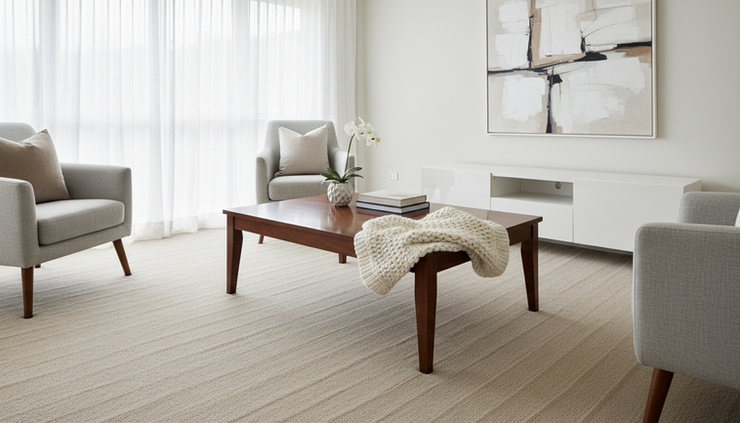
Regular housekeeping keeps everyday mess under control
Regular housekeeping is the service most people think of first. It covers the routine tasks that keep a space livable and pleasant from week to week.
A typical housekeeping visit may include:
Dusting open surfaces
Vacuuming carpets and rugs
Sweeping and mopping hard floors
Cleaning kitchen counters and appliance exteriors
Sanitizing bathroom sinks, toilets, tubs, and showers
Emptying trash bins
Making beds or changing linens, if requested
This service works best for spaces that need steady upkeep rather than heavy cleaning. It is a strong fit for busy households, frequent hosts, pet owners, and anyone who wants fewer chores piling up during the week.
The key is to set clear expectations. Some cleaners include light organizing, while others focus only on cleaning visible surfaces. Laundry, dishes, window interiors, and inside appliances may cost extra or require advance notice.
Best for: Weekly, biweekly, or monthly maintenance.
Practical tip: Walk through the space before the first visit and point out priority areas. If the bathroom matters more than the guest room, say so. A clear list helps cleaners spend time where it counts.
Deep cleaning resets the whole space
Deep cleaning goes beyond surface-level upkeep. It targets the grime that builds up in corners, behind appliances, along baseboards, inside cabinets, and on neglected surfaces.
This service is often more detailed and more time-intensive than standard cleaning. It may include:
Washing baseboards and trim
Scrubbing tile grout
Cleaning inside ovens and refrigerators
Removing soap scum and hard water buildup
Dusting ceiling fans, vents, and light fixtures
Wiping cabinet fronts and door frames
Cleaning under furniture, when accessible
Deep cleaning is a smart choice before starting a regular cleaning schedule. It gives the cleaner a fresh baseline to maintain. It also makes sense before guests arrive, after a busy season, or anytime a home has gone too long without detailed attention.
A deep clean will not usually include repairs, pest treatment, mold remediation, or hazardous waste removal. Those call for specialized providers.
Best for: Seasonal cleaning, first-time visits, neglected rooms, and preparing a home for guests.
Practical tip: Ask what “deep cleaning” includes in writing. The term can vary widely from one company to another.
Move-in and move-out cleaning helps with major transitions
Moving creates a mess at both ends. Boxes leave dust trails, furniture exposes hidden dirt, and empty rooms make every smudge easier to see. Move-in and move-out cleaning focuses on getting a place ready for its next chapter.
Move-out cleaning often aims to leave a rental, home sale, or apartment in better condition. It may include inside cabinets, drawers, closets, appliances, and bathroom fixtures. Move-in cleaning gives new residents peace of mind before furniture and personal items arrive.
This kind of service works best when the space is empty or nearly empty. Cleaners can reach walls, closets, floors, and corners without moving around packed boxes.
For rentals, cleaning standards may affect deposits. Landlords and property managers often look closely at ovens, bathrooms, floors, and refrigerator interiors. A professional move-out clean can help, but it does not guarantee deposit return, especially if there is damage beyond normal cleaning.
Best for: Apartment turnover, home sales, new leases, and fresh starts.
Practical tip: Schedule the cleaning after movers finish hauling items out, not before. Otherwise, dirt and debris can return within minutes.

Kitchen and bathroom cleaning tackles the hardest-working rooms
Kitchens and bathrooms often need more attention than any other rooms. Moisture, food residue, grease, soap scum, and frequent touch points all add up fast.
A focused kitchen cleaning may include counters, sinks, cabinet fronts, stovetops, backsplashes, appliance exteriors, and floor care. Some services also clean inside microwaves, ovens, and refrigerators.
Bathroom cleaning often focuses on toilets, tubs, showers, sinks, mirrors, counters, floors, and fixtures. Mineral buildup and soap scum may need extra work, especially in homes with hard water.
These rooms benefit from professional methods because they involve different surface types. A natural stone counter, stainless steel sink, glass shower door, and tile floor cannot all be cleaned the same way. The wrong product can dull finishes, scratch surfaces, or leave residue.
Best for: High-use rooms, guest preparation, rental turnovers, and homes with kids or pets.
Practical tip: Tell the cleaner about delicate surfaces such as marble, brass, copper, unsealed grout, or specialty tile. It helps them choose safe products.
Carpet and upholstery cleaning refreshes soft surfaces
Vacuuming helps, but it only removes loose debris. Carpets, rugs, sofas, dining chairs, and upholstered headboards can hold dust, pet hair, spills, odors, and everyday soil.
Professional carpet and upholstery cleaning may use hot water extraction, low-moisture methods, or dry cleaning approaches depending on the material. The right method depends on fiber type, age, stains, and manufacturer guidance.
This service is especially useful for:
High-traffic hallways
Stairs
Family room rugs
Pet areas
Dining chairs
Sofas and sectionals
Mattresses, if the provider offers it
Not all stains can be removed completely. Older stains, dye transfer, bleach marks, and some pet accidents may leave permanent discoloration. A trustworthy cleaner will explain what is realistic before starting.
Best for: Soft surfaces that look dull, smell stale, or show foot traffic.
Practical tip: Ask about drying time. Good airflow, fans, and low humidity help carpets and upholstery dry faster.
Window cleaning brings back natural light
Clean windows can make a space feel larger and brighter. Over time, glass collects fingerprints, dust, pollen, water spots, and streaks that block light and make rooms feel dull.
Window cleaning may include:
Interior glass
Exterior glass
Window tracks
Screens
Sills
Frames
Some providers handle single-story homes only, while others have ladders, water-fed poles, or lift equipment for higher windows. Safety matters here. Tall or hard-to-reach windows are better left to trained cleaners with proper tools.
Window cleaning is often seasonal. Many households schedule it in spring after pollen season or in fall before colder weather arrives.
Best for: Homes with lots of natural light, glass doors, tall windows, or visible exterior buildup.
Practical tip: Ask whether screens and tracks are included. Clean glass looks better when the surrounding parts are clean too.

Post-construction cleaning removes dust and debris
Renovation dust has a way of reaching every surface. Even a small project can leave grit on floors, cabinets, vents, shelves, and windowsills. Post-construction cleaning focuses on removing fine dust, adhesive residue, packaging debris, and tracked-in dirt after building or remodeling work.
This service is different from standard housekeeping. It may require stronger vacuums, dust-control methods, repeated wiping, and careful attention to vents and ledges. Fine dust can resettle, so a second pass is sometimes needed after the first clean.
Post-construction cleaners may handle:
Dust on walls, trim, and doors
Cabinets and shelves
Floors and stairs
Window interiors
Light fixtures
Bathroom and kitchen surfaces
Sticker residue on new fixtures, when safe to remove
They usually do not remove heavy construction waste unless that service is included. Large debris, nails, scrap wood, and hazardous materials may need a contractor or junk removal service.
Best for: Remodels, new builds, repairs, and room upgrades.
Practical tip: Wait until contractors are fully finished before booking the final clean. If sanding, drilling, or painting continues afterward, dust will return.
Specialty cleaning covers the jobs regular service does not
Some cleaning needs fall outside normal housekeeping. Specialty cleaning services exist for jobs that require specific tools, products, training, or safety steps.
Common specialty services include:
Service | What it helps with | What to ask before booking |
Pressure washing | Patios, siding, walkways, decks | Whether the surface can safely handle pressure |
Gutter cleaning | Leaves, debris, poor drainage | Whether downspouts are cleared too |
Tile and grout cleaning | Stained grout and dull tile floors | Whether sealing is available afterward |
Appliance cleaning | Ovens, refrigerators, range hoods | Whether interiors are included |
Green cleaning | Lower-scent or plant-based products | Which products are used and what they contain |
Hoarding cleanup | Heavy clutter and sanitation concerns | Whether the team has specific experience |
Biohazard cleanup | Blood, bodily fluids, or unsafe waste | Whether the provider is trained and properly equipped |
Specialty work often costs more because it takes extra time, equipment, or care. That does not mean every space needs it. The point is to match the provider to the risk and complexity of the job.
Best for: Unusual messes, delicate materials, outdoor surfaces, and safety-sensitive situations.
Practical tip: Do not book general cleaners for hazardous cleanup. Choose a provider trained for that exact task.
How to choose the right cleaning service
The right cleaning service should be clear, reliable, and suited to the job. Price matters, but the cheapest option is not always the best value if the work is rushed, unclear, or incomplete.
Before booking, compare providers on a few practical points.
Check what is included
Ask for a written list of tasks. “Standard clean” can mean different things. One company may include changing bed linens, while another may charge extra. One cleaner may wipe appliance exteriors but not clean inside them.
Clear scope prevents frustration on both sides.
Ask about supplies and equipment
Some cleaners bring everything. Others use the cleaning products already in the home. If there are allergies, fragrance concerns, pets, babies, or delicate materials, ask ahead.
If the provider brings supplies, ask how they handle different surfaces. Wood, stone, stainless steel, glass, and grout all need different care.
Look for insurance and screening
For professional cleaning companies, insurance is a basic sign of responsibility. It helps protect both the cleaner and the property if something goes wrong.
If hiring an independent cleaner, ask for references and discuss expectations clearly. A good working relationship depends on trust and communication.
Read reviews with care
Reviews can help, but look for patterns rather than one dramatic comment. Repeated praise for punctuality, careful work, and clear communication is a good sign. Repeated complaints about missed tasks or surprise fees are worth noting.
Confirm pricing before the visit
Cleaning may be priced by the hour, by room, by square footage, or by service type. A larger home, heavy buildup, pet hair, clutter, or add-on tasks can raise the cost.
Get the basics in writing:
Date and arrival window
Estimated time needed
Areas included
Add-on services
Cancellation policy
Payment method
Any satisfaction policy
A professional cleaner should be able to explain what they will do, what they will not do, and what could change the price.

How often should a space be professionally cleaned?
The best schedule depends on use, lifestyle, and tolerance for mess. A lightly used home may only need monthly service. A busy household with pets, children, frequent cooking, or regular guests may need weekly help.
Here is a simple guide:
Cleaning need | Common schedule |
Regular housekeeping | Weekly or every two weeks |
Deep cleaning | Every few months or seasonally |
Carpet cleaning | Once or twice a year, more often for pets or heavy use |
Window cleaning | One to three times a year |
Move-out cleaning | Once, after belongings are removed |
Post-construction cleaning | Once after work ends, sometimes with a follow-up |
A consistent schedule often makes each visit easier. Dirt has less time to build up, and cleaners can maintain the space rather than fight heavy grime every time.
Preparing for a cleaning visit makes the results better
Professional cleaners do not need a perfect space before they arrive. Still, a little preparation helps them clean more efficiently.
Pick up loose items from floors, counters, and furniture when possible. Put away valuables, private documents, medications, and fragile items. If pets are present, decide whether they should be secured in another room or taken out during the visit.
Leave clear instructions for priorities. A short note works well, especially for recurring visits. For example, mention a shower that needs extra attention, a room to skip, or a floor product that should not be used.
If the cleaner will enter while no one is home, confirm access instructions and alarm details ahead of time. Good access planning saves time and prevents missed appointments.
The cleanest spaces use the right help at the right time
The Top Cleaning Services to Keep Your Space Spotless are not one-size-fits-all. Regular housekeeping keeps everyday mess under control. Deep cleaning handles buildup. Move-in and move-out services make transitions smoother. Carpet, window, kitchen, bathroom, post-construction, and specialty cleaning each solve a specific problem.
The smartest approach is simple: identify the mess, choose the service built for it, and agree on the details before the work begins. A clear plan leads to better results, fewer surprises, and a space that feels easier to enjoy every day.


Comments